 English
 日本語
日本語Stainless Steel Materials
The primary material used for vacuum flasks is stainless steel. Many flasks are made from food-grade stainless steel, typically grades 304 or 316. Grade 304 stainless steel is widely used due to its corrosion resistance, strength, and affordability. It provides sufficient protection against rust and is durable enough for daily use.
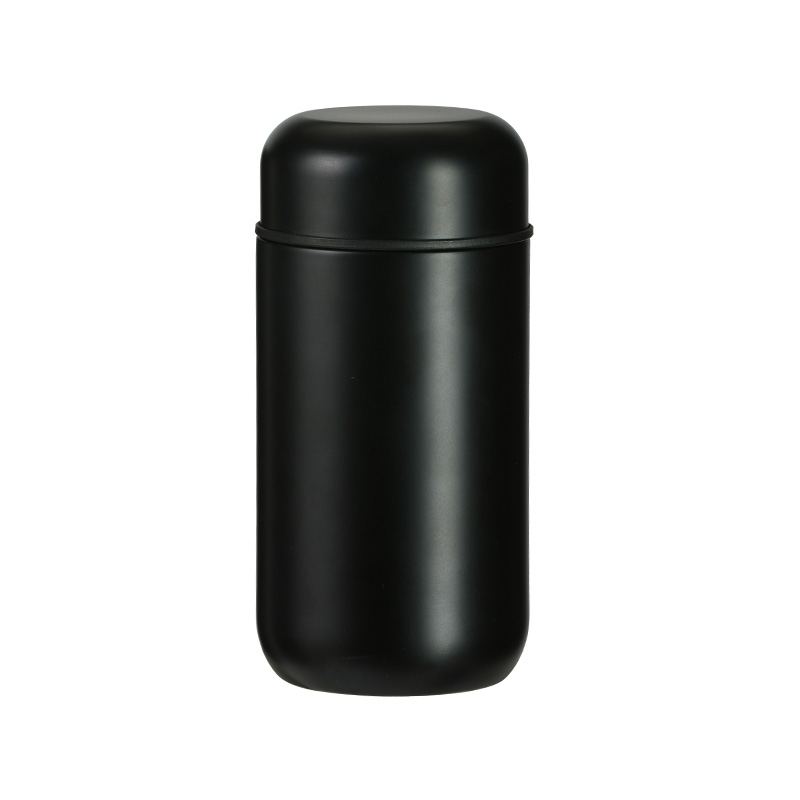
Grade 316 stainless steel offers higher resistance to corrosion, especially in environments with higher chloride content or when storing acidic beverages. This grade is often chosen for flasks intended for more demanding applications or longer-term use. Stainless steel is preferred for both the inner and outer walls of vacuum flasks because it does not react with liquids, ensuring safety and maintaining the taste of the beverage.
The choice of stainless steel affects the flask's durability, resistance to temperature changes, and ease of cleaning. Stainless steel is also strong enough to withstand impacts, making it a practical material for flasks used in travel or outdoor settings.
Glass Inner Lining
Some vacuum flasks use glass for the inner lining instead of stainless steel. Glass is non-reactive and does not impart any taste to the liquid, which makes it suitable for storing delicate beverages such as tea or herbal infusions. Glass also provides smooth surfaces that are easy to clean and resistant to staining.
However, glass-lined flasks are more fragile than stainless steel, making them more prone to breakage if dropped or subjected to impact. They are generally heavier than stainless steel flasks and require careful handling during use and cleaning. Glass flasks are often chosen for home or office use where breakage risk is lower, rather than for outdoor activities. Despite their fragility, glass-lined vacuum flasks provide chemical resistance and maintain the flavor of liquids without interaction.
Plastic and Polymer Components
Plastic or polymer materials are commonly used in vacuum flasks for lids, seals, and outer covers. These materials help improve insulation, prevent heat transfer, and enhance user convenience. High-quality food-grade plastics or polymers are non-toxic and resistant to deformation at high temperatures.
Plastic components can also provide additional protection to the flask's body, reduce the overall weight, and make it easier to handle. Some flasks use plastic for removable lids that include drinking spouts or locking mechanisms, improving usability. However, lower-quality plastics may degrade over time or leach chemicals if exposed to high temperatures, so selecting BPA-free or certified food-grade plastic is important.
The combination of stainless steel and plastic components provides a balance of durability, insulation, and convenience, while ensuring that the flask remains safe for storing beverages.
Differences Between Materials
The materials used in vacuum flasks differ in durability, insulation performance, weight, and chemical resistance. Stainless steel provides strong impact resistance, corrosion resistance, and durability, making it suitable for both indoor and outdoor use. Glass offers chemical resistance and taste preservation but is more fragile and heavier. Plastic and polymer components improve insulation, usability, and weight management but must be carefully selected to avoid chemical interactions with beverages.
The choice of materials depends on the intended use of the flask. Outdoor or travel flasks benefit from stainless steel construction due to its strength and durability. Home or office flasks may use glass inner linings to preserve the flavor of beverages, while plastic components are used to improve usability and prevent heat transfer. Understanding the differences between these materials helps users select a vacuum flask that meets their practical and safety requirements.