 English
 日本語
日本語Origins of Stainless Steel Travel Flasks
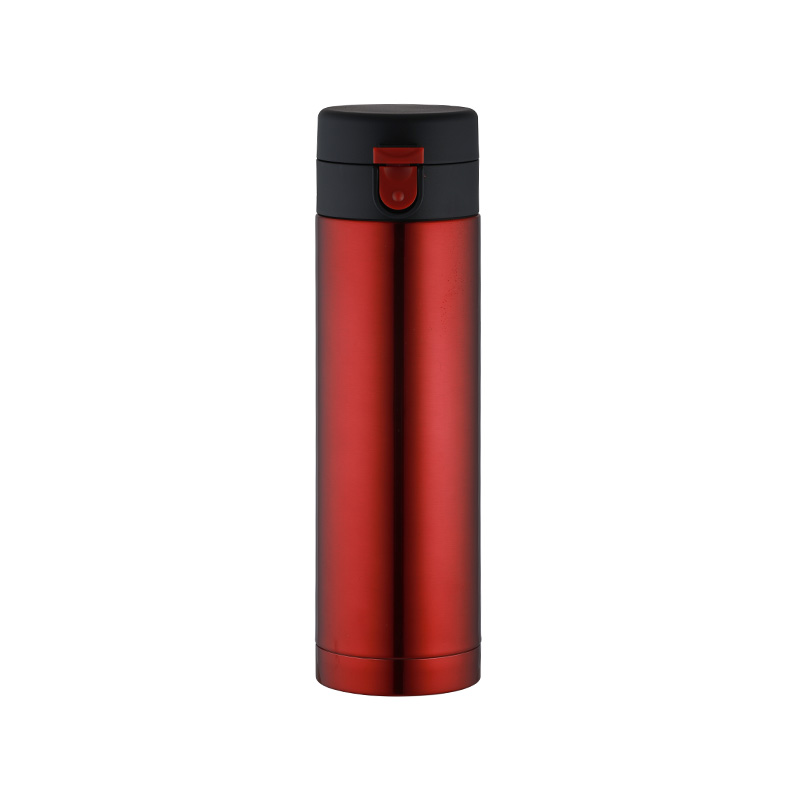
The concept of using flasks to carry beverages dates back centuries, with the portable containers made from materials like glass or ceramic. However, the introduction of stainless steel as a material for flasks occurred in the early 20th century. Stainless steel was recognized for its durability, resistance to corrosion, and ability to withstand high temperatures, making it an ideal material for containers that needed to carry hot or cold beverages.
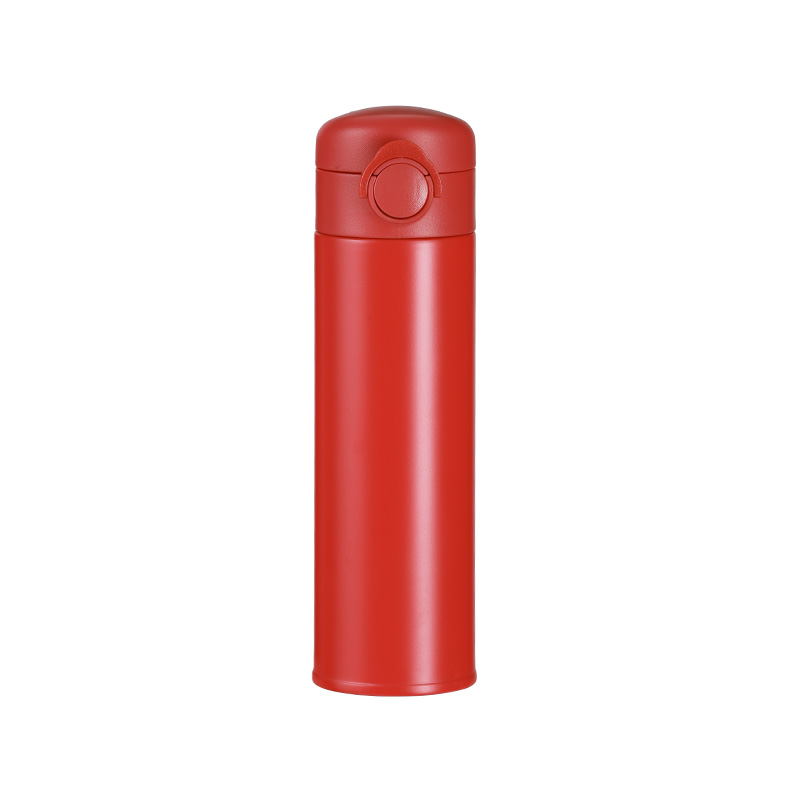
Early Development: The stainless steel flasks were typically used for storing liquids in outdoor activities or industrial settings. Early versions were quite basic, primarily designed for utility rather than aesthetics. Stainless steel's use in flasks provided an alternative to more fragile materials like glass or ceramic, which could easily break when dropped.
The Advent of Insulated Flasks: As the demand for portable, temperature-regulating containers grew, manufacturers began to focus on improving the design of stainless steel flasks to ensure they could keep liquids at a desired temperature for longer periods. This led to the development of insulated stainless steel flasks, a major innovation in the mid-20th century, which incorporated a double-wall design to prevent heat loss or gain.
Material Advancements: The Role of Stainless Steel
The main reason for the popularity of stainless steel travel flasks is the material itself. Stainless steel is not only durable but also highly resistant to rust, corrosion, and staining. These properties make it ideal for carrying a variety of beverages, from water to coffee, without the risk of contamination or degradation of the container.
Increased Durability: The development of better stainless steel alloys over the years has made these flasks more robust and resistant to dents or scratches. This means they are capable of enduring the wear and tear of daily use, whether they're dropped, exposed to high temperatures, or used in rugged environments like hiking trips.
Improved Insulation Technology: The development of double-wall vacuum insulation significantly improved the performance of stainless steel travel flasks. This technology works by creating a vacuum between two layers of stainless steel, preventing heat transfer between the interior and exterior. As a result, these flasks can maintain the temperature of their contents for many hours, whether it's keeping hot coffee warm or ice water cold.
Corrosion Resistance: Over time, advancements in stainless steel technology have enhanced its resistance to corrosion, particularly when it comes into contact with liquids. This means that modern stainless steel flasks are not only safe to use but also have a longer lifespan compared to their predecessors made from other materials like aluminum or plastic.
Design Improvements: Functionality and Aesthetics
The design of stainless steel travel flasks has undergone substantial changes since their inception. Early models were functional but lacked the sleek, user-friendly design of modern versions. As demand for these flasks increased, manufacturers began to focus more on ergonomics, portability, and aesthetic appeal.
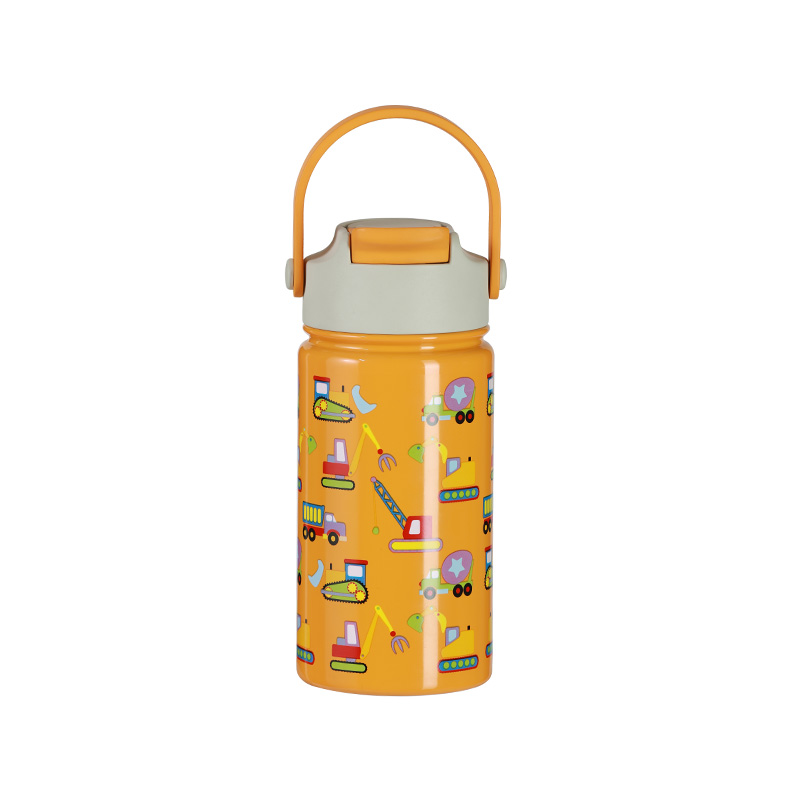
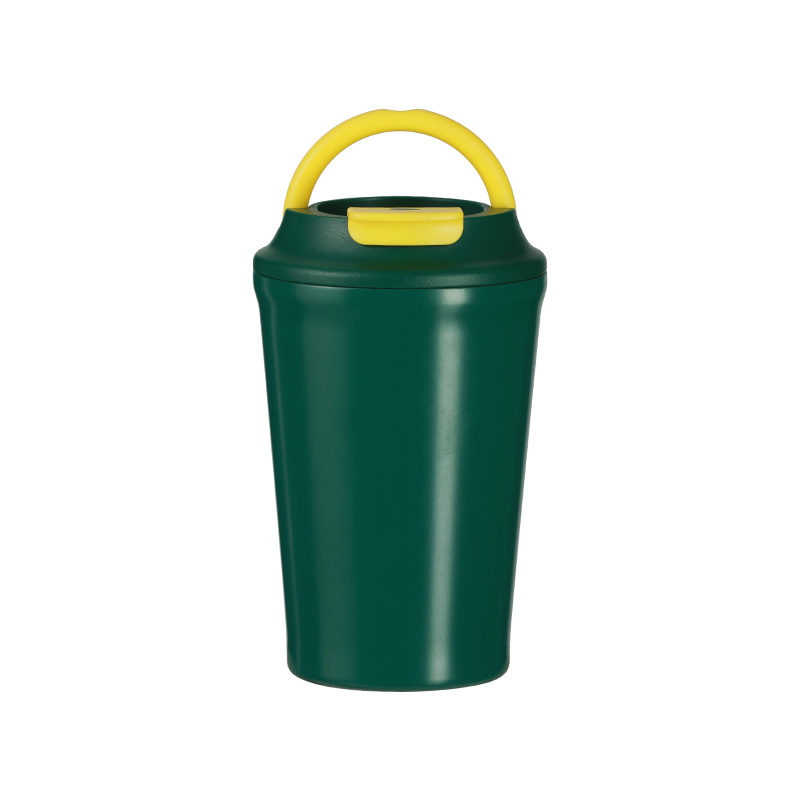
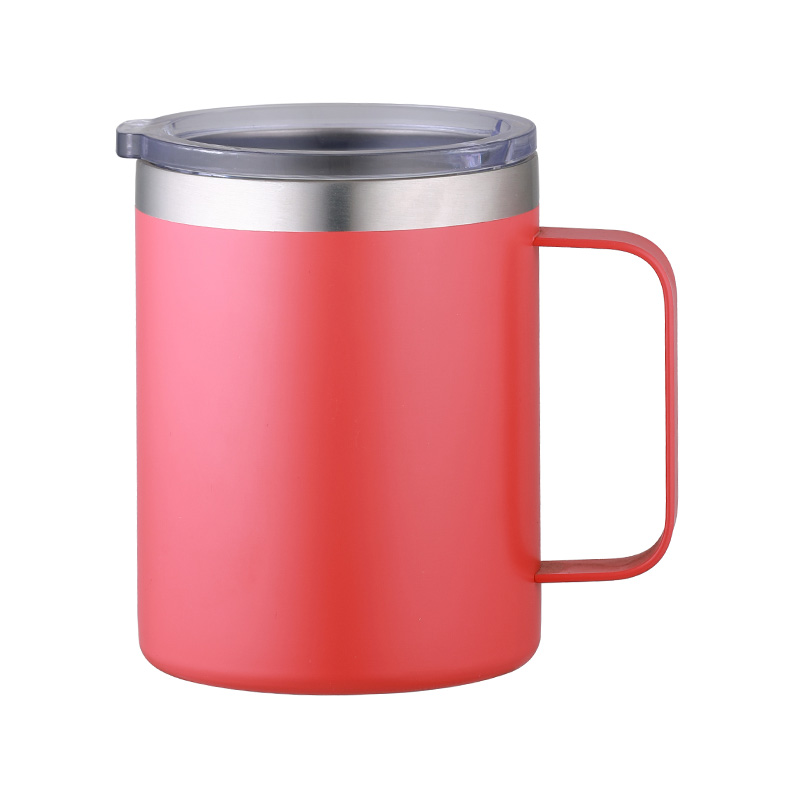
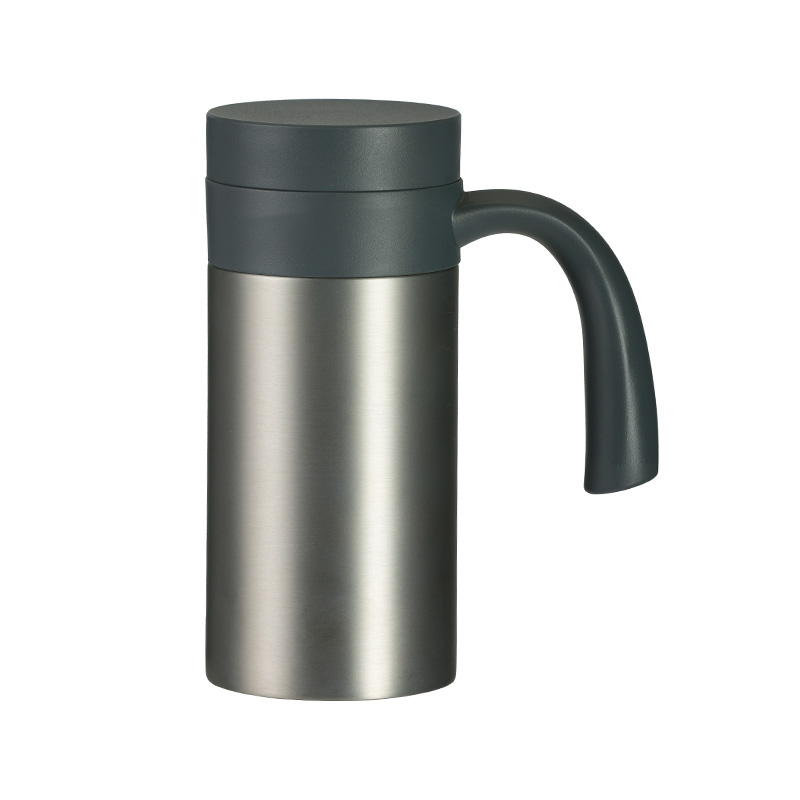
Ergonomics and Portability: Initially, stainless steel travel flasks were bulky and somewhat cumbersome. However, with increasing interest from outdoor enthusiasts and commuters, manufacturers started to design flasks that were more compact and easier to carry. The introduction of features like contoured bodies, handles, and non-slip bases made these flasks more user-friendly. The focus on portability has made them ideal for people with busy, active lifestyles.
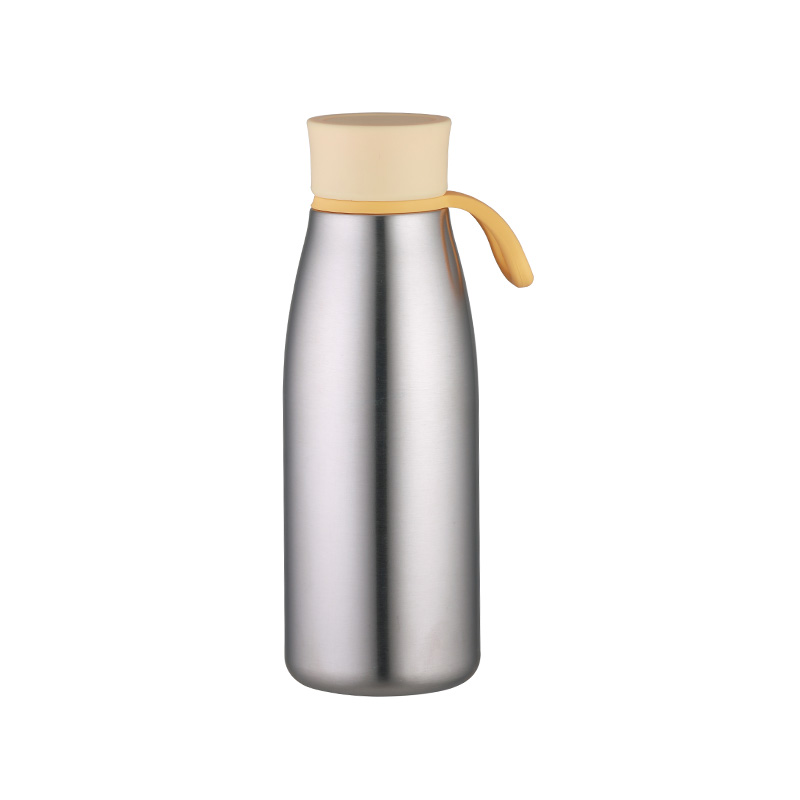
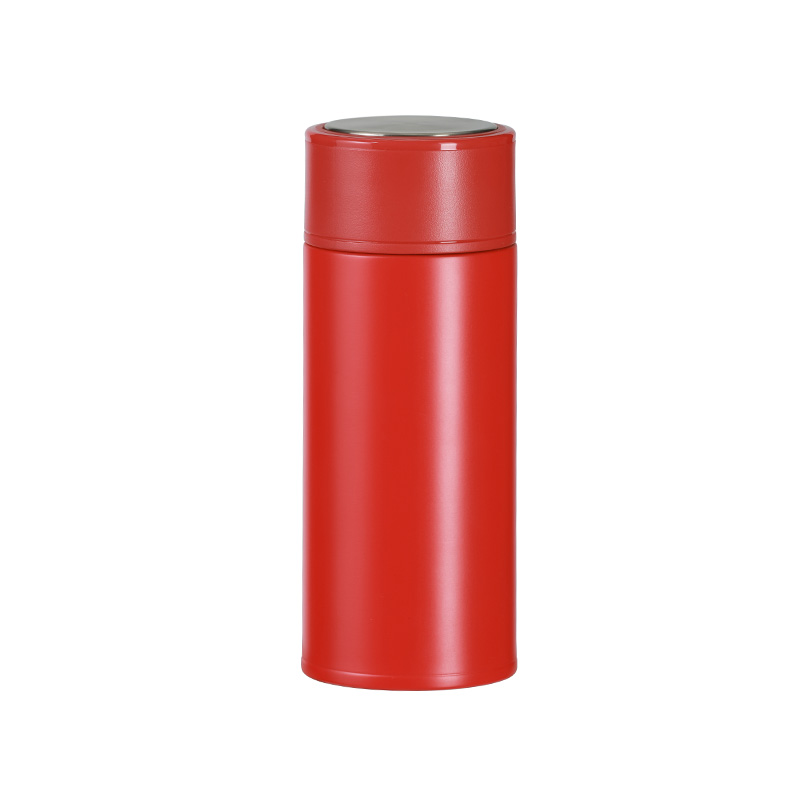
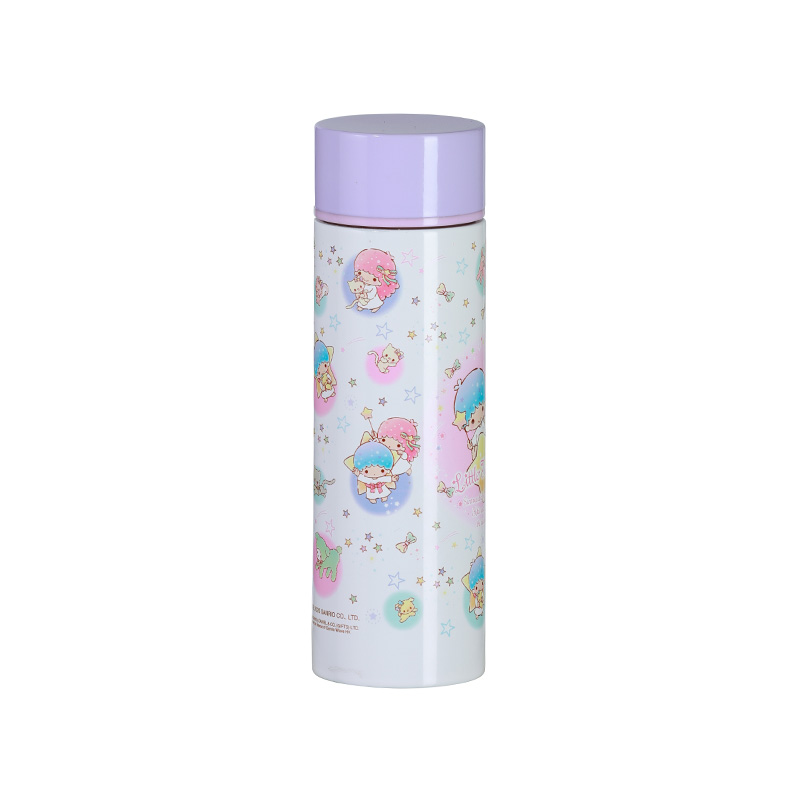
Color and Customization: As stainless steel travel flasks became more mainstream, manufacturers started to offer a variety of color options and customizable designs. Modern flasks come in a wide range of finishes, from matte and glossy to textured surfaces, providing users with greater freedom to choose a design that suits their personal preferences. Some companies also allow consumers to personalize their flasks with custom logos or names.
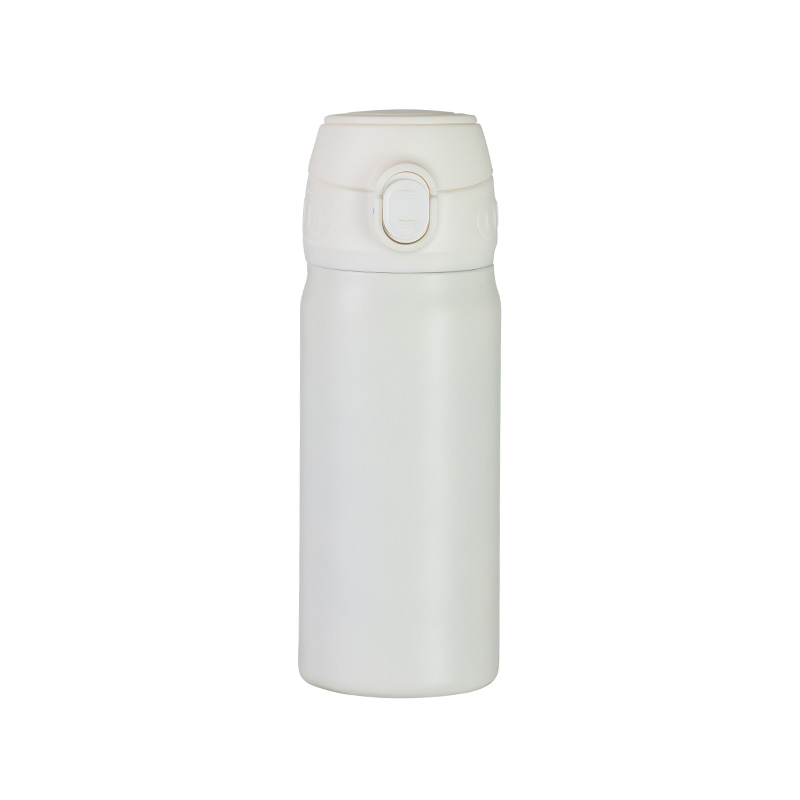
Advanced Lids and Caps: The development of lids that provide better sealing and leak-proof functionality is another design advancement. Many modern travel flasks feature threaded or snap-on lids with secure seals, preventing spills during transportation. Some even incorporate features like built-in straws, wide mouths for easy filling and cleaning, or cup holders for additional convenience.
Eco-Conscious Use and Sustainability
In recent years, as concerns over plastic pollution have grown, stainless steel travel flasks have gained significant attention due to their eco-friendly nature. The rise of sustainability as a central focus in consumer behavior has led to the increased popularity of reusable water bottles and flasks.
Reducing Single-Use Plastic: Stainless steel travel flasks are a key part of efforts to reduce single-use plastic waste. By using a durable and reusable container, consumers are able to cut down on their reliance on plastic bottles, which contribute to pollution and environmental degradation. This has made stainless steel flasks popular among eco-conscious consumers.
Long-Term Durability: One of the main benefits of stainless steel travel flasks is their longevity. Unlike plastic bottles, which can degrade over time or become less effective at temperature retention, stainless steel bottles are built to last for years, making them a more sustainable choice in the long run. This durability also means fewer bottles end up in landfills.
Health Benefits: Stainless steel is free from harmful chemicals like BPA, which are often found in plastic containers. As a result, using stainless steel travel flasks ensures that the beverages inside are safe and uncontaminated, further promoting health-conscious choices.